

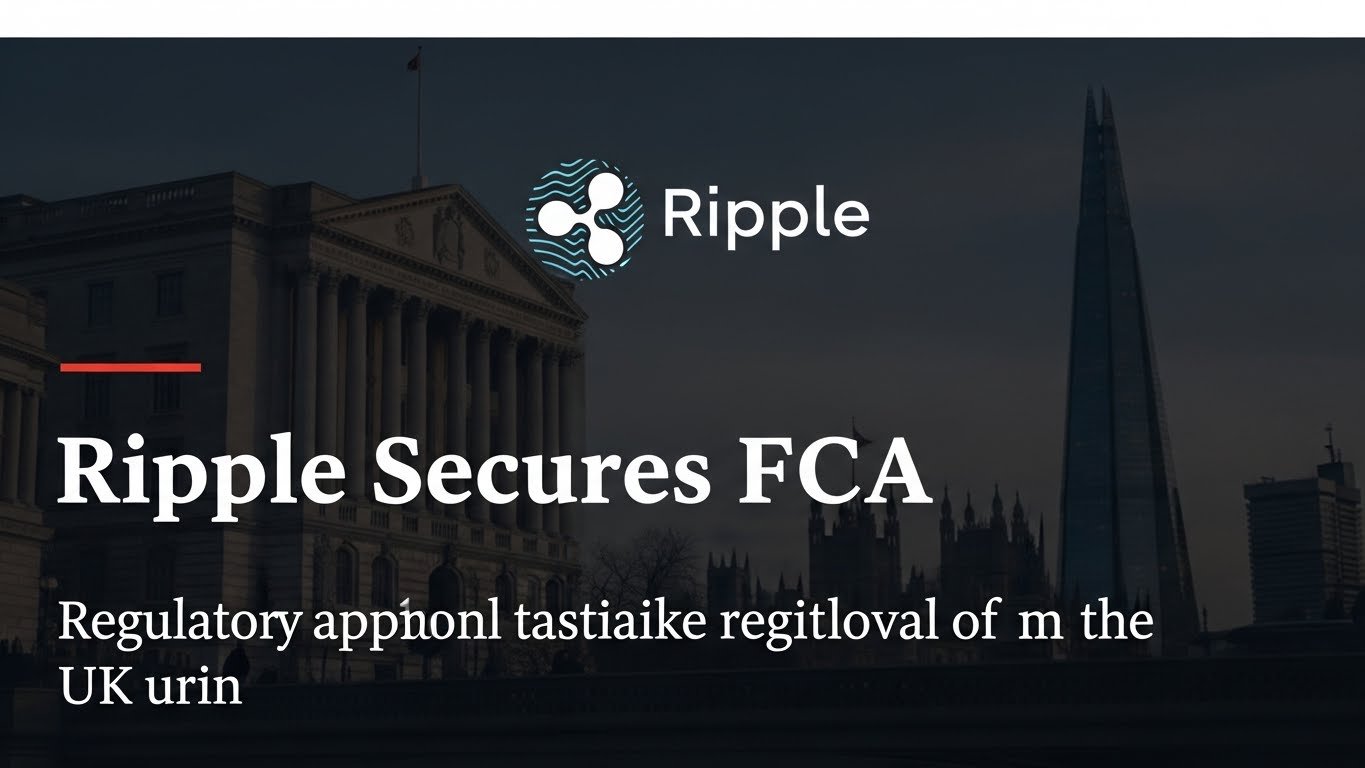
Ripple has achieved a major milestone in its global expansion strategy by securing approval from the UK’s Financial Conduct Authority (FCA). This development positions the company to significantly expand its presence in one of the world’s most influential financial hubs. With regulatory clarity becoming the deciding factor for success in the crypto industry, Ripple’s FCA authorization signals far more than a routine compliance update. It is a strategic move that enhances Ripple’s credibility, strengthens its ability to offer compliant services, and supports wider adoption of blockchain-powered solutions across the UK financial landscape.
The UK has been accelerating efforts to establish itself as a leading crypto-friendly jurisdiction while also strengthening protections for consumers and institutions. Over the past few years, regulators have increasingly enforced strict rules around crypto advertising, consumer transparency, anti-money laundering controls, and payment services. In this evolving environment, companies that prioritize compliance are gaining an edge, while those that fail to meet standards face restrictions or market exits. Ripple’s FCA approval is significant because it reflects regulatory trust and opens doors for long-term growth.
The announcement that Ripple secures FCA approval to expand crypto operations in the UK marks a turning point for the company’s ambitions in Europe. Ripple is widely recognized for its involvement in blockchain-based payments and digital asset infrastructure. With the UK now offering greater regulatory direction for crypto businesses, Ripple’s approval enhances its ability to form partnerships, expand product offerings, and support enterprise adoption of blockchain solutions. It also reinforces the broader narrative that the UK is becoming a serious and regulated destination for crypto innovation rather than an unstructured market.
In this article, we will explore what Ripple’s FCA approval means, why it matters for the UK crypto market, how it could influence Ripple’s role in financial services, and what this milestone means for the future of regulated crypto operations in Britain.
Understanding Ripple’s FCA Approval and What It Covers
When Ripple secures FCA approval to expand crypto operations in the UK, it essentially means that Ripple has met regulatory requirements that allow it to operate more broadly within the UK’s financial environment. FCA approval is not a single, universal license; rather, it often involves permissions that relate to specific financial activities, including payment-related services and cryptoasset operations under anti-money laundering regulations.
Ripple’s approval has been widely associated with its ability to expand regulated activity in the UK, which may include operating within frameworks that apply to payment institutions and crypto service providers. This matters because UK regulation for crypto has historically been stricter than many people expect. The FCA has been selective and cautious, prioritizing consumer safety and financial integrity.
FCA Approval as a Trust Signal for Crypto Firms
Regulatory approval from the FCA carries weight because the FCA is considered one of the most active and demanding regulators in global finance. It expects firms to maintain strong governance, compliance structures, robust internal controls, and continuous monitoring systems. When Ripple secures FCA approval to expand crypto operations in the UK, the message to the market is clear: Ripple has proven it can meet high standards in an environment known for strong oversight.

This trust signal is crucial in crypto, where the industry’s history includes major failures, scandals, and regulatory battles. A company with FCA approval is more likely to be seen as stable, accountable, and capable of supporting institutional needs.
The Difference Between Crypto Registration and Full Regulation
It is important to understand that FCA registration and FCA authorization can mean different things depending on the scope. Cryptoasset registration often focuses on anti-money laundering compliance, ensuring firms have strong safeguards against illicit financial flows. Authorization for payment-related services typically comes with additional obligations, including safeguarding customer funds and meeting operational resilience requirements.
Ripple’s approval suggests the company is not only expanding its crypto presence but also strengthening its position within regulated financial infrastructure. This matters because the future of crypto growth increasingly depends on a company’s ability to operate within established financial systems rather than outside them.
Why Ripple’s FCA Approval Matters for the UK Crypto Industry
The UK crypto market has grown steadily, but it has also faced challenges due to regulatory uncertainty and strict enforcement actions. The FCA has repeatedly warned consumers about high risks associated with crypto investments, and it has taken action against businesses operating without proper registration. As a result, the UK market has become a place where only serious, compliance-focused firms can scale.
Ripple secures FCA approval to expand crypto operations in the UK at a time when regulatory alignment is becoming a non-negotiable requirement. This decision not only benefits Ripple but also contributes to the broader development of a regulated UK crypto ecosystem.
Strengthening the UK’s Position as a Regulated Crypto Hub
Many jurisdictions want to become global crypto hubs, but only a few can balance innovation with strong regulatory systems. The UK is trying to position itself as one of those few places. By granting approval to a globally recognized company like Ripple, the UK strengthens its appeal as a destination for regulated crypto businesses, enterprise blockchain development, and institutional adoption.
Ripple’s expansion supports the idea that the UK is not closing its doors to crypto but is demanding higher standards. This approach could attract more companies that value long-term growth and legal clarity.
Institutional Adoption Requires Regulation
Institutions do not want to operate in unclear regulatory environments. Banks, fintech firms, and large payment providers need compliance certainty to avoid reputational risks and legal exposure. Ripple’s FCA approval may encourage these institutions to explore partnerships or blockchain integrations with greater confidence.
When Ripple secures FCA approval to expand crypto operations in the UK, it reduces barriers that often stop institutions from engaging with crypto-related infrastructure. It also supports the broader narrative that crypto is maturing into a regulated financial service rather than a speculative, unstructured market.
How Ripple’s UK Expansion Could Support Blockchain-Based Payments
Ripple has built its reputation around blockchain-based payment infrastructure, particularly cross-border transactions. Many companies have attempted to modernize international money movement, but traditional cross-border systems remain slow, expensive, and heavily dependent on intermediaries. Ripple’s technology has been marketed as an alternative route, allowing faster settlement and improved liquidity management.
With FCA approval, Ripple can potentially expand its ability to offer compliant payment services in the UK and deepen its reach into the local financial ecosystem.
Ripple’s Role in Cross-Border Payments
Cross-border payments are a huge opportunity because they represent one of the largest global financial flows. Traditional settlement often involves multiple banks and intermediaries, leading to delays and higher costs. Blockchain-based solutions aim to streamline settlement while reducing reliance on slow correspondent systems.
If Ripple secures FCA approval to expand crypto operations in the UK, it becomes easier for the company to integrate with UK-based partners, engage with regulated financial institutions, and offer solutions that align with UK compliance standards. That makes Ripple’s payment narrative more credible and more scalable.
Expanding Payment Infrastructure Through Compliance
Compliance is not just an obstacle; in markets like the UK, compliance is a growth tool. Firms that meet regulatory requirements can expand services more confidently. Ripple’s FCA approval strengthens its ability to operate in a regulated way, potentially supporting more partnerships with banks, fintech firms, and payment processors.
This could also improve Ripple’s access to traditional banking rails, which is one of the biggest pain points for crypto-related companies globally. In regulated environments, banking access can become easier when the firm demonstrates strong legal standing and effective risk controls.
What This Means for XRP and the Ripple Ecosystem
Ripple’s name is closely tied to XRP and its broader ecosystem. While Ripple is a company offering blockchain infrastructure, XRP remains a key part of its public identity and has historically been promoted as supporting liquidity in payment flows.
When Ripple secures FCA approval to expand crypto operations in the UK, it may indirectly support stronger XRP-related activity by expanding the company’s regulated footprint. However, adoption depends on market demand, institutional interest, and evolving financial infrastructure.
XRP Adoption Through Institutional Confidence
Institutions often avoid assets and platforms that are not aligned with regulation. Ripple’s approval could increase trust, making it easier for institutional players to explore Ripple’s ecosystem without feeling they are entering a legal grey area. This does not guarantee mass adoption, but it improves the conditions for adoption.
Ripple’s approval also reinforces the idea that crypto-based liquidity tools can work within regulated markets. If institutions view Ripple as a compliant player, they may become more open to exploring how crypto assets can support settlement efficiency.
The XRP Ledger in a Regulated Environment
The broader growth of blockchain networks in finance depends on how well those networks align with regulatory expectations. In the UK, regulators are increasingly focused on transparency, accountability, and consumer protection. Ripple’s FCA approval suggests the company is aligning its operations with these expectations, which could also strengthen confidence in its underlying technology ecosystem.
Ripple’s FCA Approval and the Competitive UK Crypto Landscape
The UK is becoming increasingly competitive for crypto and fintech companies. Many global firms want access to UK markets, but the FCA has made it clear that compliance is mandatory. This has created a market where the strongest, most compliance-focused firms can thrive.
Ripple secures FCA approval to expand crypto operations in the UK in a competitive environment where reputation matters. A regulated position may give Ripple an advantage over competitors that either lack authorization or struggle to meet regulatory expectations.
Regulatory Approval as a Competitive Advantage
In crypto, trust is one of the most valuable assets. FCA approval supports credibility and helps Ripple present itself as a serious financial infrastructure provider rather than simply a crypto-native company.
This advantage can translate into more partnerships, better institutional relationships, and stronger brand reputation among UK financial stakeholders.
The UK’s Rising Standards for Crypto Firms
The UK has steadily increased standards for crypto firms, especially in areas like anti-money laundering compliance, financial promotions, and governance. Ripple’s approval indicates that the company is prepared to meet those standards while continuing to grow.
That is important because compliance expectations are not static. Even approved firms must maintain ongoing supervision, reporting, and risk controls. Ripple’s long-term success in the UK will depend on sustaining these compliance commitments.
Challenges Ripple Still Faces Despite FCA Approval
Although Ripple’s FCA approval is a major win, it does not remove all challenges. The UK regulatory environment continues to evolve, and crypto market volatility remains a constant risk.
Regulatory Evolution and Future Requirements
The UK is still building a broader regulatory framework for crypto, stablecoins, custody services, and tokenized assets. This means firms may face new licensing requirements, updated consumer protection rules, and stricter operational demands.
Ripple’s ability to adapt will be crucial. The company must continue to invest in compliance, legal strategy, and operational resilience to maintain its authorized standing as rules change.
Public Perception and Market Trust
The crypto industry still suffers from public skepticism. Even with regulatory approval, companies need to educate users and communicate clearly. Ripple must ensure that consumers understand what FCA approval means and avoid any messaging that could be interpreted as overstating protection.
Building trust is a continuous process, especially in markets where regulators actively warn consumers about crypto risks. Ripple’s success will depend not only on regulation but also on its ability to deliver clear value and maintain a strong reputation.
Conclusion
Ripple secures FCA approval to expand crypto operations in the UK at a time when the industry is shifting from speculative growth to regulated adoption. This approval strengthens Ripple’s position in one of the world’s most important financial markets and supports its ability to offer compliant services across payments and crypto infrastructure. It also reflects a larger trend: the UK is shaping a future where crypto innovation must operate within strong regulatory frameworks.
For Ripple, this milestone is more than a headline. It is a foundation for partnerships, payments expansion, and long-term institutional adoption. For the broader market, Ripple’s approval reinforces the idea that regulated crypto companies can grow responsibly and contribute to the modernization of financial systems. As the UK continues developing its crypto framework, Ripple’s compliant position could allow it to play a major role in shaping the future of digital finance in Britain.
FAQs
Q: What does it mean that Ripple secures FCA approval to expand crypto operations in the UK?
It means Ripple has gained regulatory permission to operate more broadly within the UK’s financial system under FCA oversight, allowing it to expand compliant services in the crypto and payments sector.
Q: Is FCA approval important for crypto companies?
Yes. FCA approval is a strong trust signal because it shows the company meets strict compliance standards, including anti-money laundering controls and governance requirements.
Q: Will Ripple’s FCA approval increase XRP adoption in the UK?
It could support adoption indirectly by increasing institutional confidence and enabling Ripple to expand regulated operations. However, adoption depends on market demand and partner integration.
Q: Does FCA approval mean crypto investments are safe?
No. FCA approval relates to regulatory compliance and operational standards, but crypto remains volatile and carries financial risks. Consumers should still research carefully.
Q: Why is the UK a strategic market for Ripple?
The UK is one of the world’s most influential financial centers. A regulated footprint in the UK helps Ripple build partnerships, expand payment infrastructure, and strengthen its European presence.
Also Read: XRP News XRP Tests $1.90 Outperforms Crypto Market
