


For a long stretch of recent market history, many participants got conditioned to one simple idea: if prices fall, you buy, and time eventually rewards you. That mindset shaped everything from short-term trading habits to long-term investing plans. But that mental model gets stress-tested when the numbers keep coming back ugly—and that’s exactly what’s happening now. Buyers have lost money for 2 months straight, data shows, and the pattern has started to change how people behave, how professionals manage exposure, and how narratives spread across social media and mainstream finance.
Two consecutive months of losses for buyers may not sound dramatic compared to a full-blown crash, but it’s psychologically significant. It tells you that demand is showing up—and still getting punished. It suggests that momentum is not cooperating, that rebounds are failing, and that the market is rewarding patience more than bravery. In environments like this, “dip-buying” can turn into “catching a falling knife,” and portfolios built for steady upside suddenly experience repeated drawdowns.
The most important thing about a two-month stretch where buyers have lost money isn’t just the red ink. It’s what it implies about the structure of the market: how liquidity is behaving, what sentiment is doing, where risk is hiding, and which signals are worth trusting. Whether you’re trading stocks, crypto, real estate, or commodities, the underlying mechanics rhyme. When buyers have lost money for 2 months straight, data shows a market that is either in a corrective phase, transitioning into a new regime, or digesting a major macro shift.
What “Buyers Have Lost Money for 2 Months Straight” Really Means
When people hear that buyers have lost money for 2 months straight, they often imagine a single group doing the same thing and failing. In reality, “buyers” includes a wide range of actors: long-term investors adding to positions, short-term traders seeking bounces, systematic strategies rebalancing, and institutions deploying capital in increments. The phrase usually captures a simple outcome: new purchases over that window, on average, ended up underwater.
This concept shows up in multiple kinds of market data. In equities, it might appear as breadth measures weakening while indexes grind lower, or as repeated failed rallies where buyers step in, prices pop briefly, and then sellers overwhelm the move. In crypto markets, it can show up as spot buyers repeatedly absorbing sell pressure, only to see price revisit lows. In housing, it can be reflected in purchase prices drifting down in subsequent weeks or months, leaving recent buyers with less equity than expected.

The key is persistence. One bad week can be noise. Two months of buyer losses suggests the market is consistently rejecting higher prices. That’s why buyers have lost money for 2 months straight, data shows, becomes more than an attention-grabbing phrase—it becomes a behavioral signal.
The “Pain Trade” When Demand Keeps Losing
Markets tend to move in ways that inflict maximum discomfort. In a downshift, the pain trade often targets late dip-buyers: the people who step in early because they believe a reversal is imminent. If the market keeps falling after they buy, they sell in frustration, which adds supply and pushes prices lower. That cycle can repeat across multiple waves, which is how you can end up with a stretch where buyers have lost money for 2 months straight.
This doesn’t automatically mean the asset is doomed. It means timing has been wrong, or the market hasn’t found the level where demand becomes strong enough to overpower supply. It can also mean the market is repricing risk due to interest rates, earnings expectations, or shifting liquidity conditions.
Why Two Months Matters More Than Two Weeks
Two months is long enough for many strategies to register and react. It spans multiple payroll cycles, multiple macro data releases, and enough time for positioning to change. It also captures a meaningful slice of investor behavior: people average in, chase rebounds, set stop losses, and rotate sectors over that timeframe.
So when buyers have lost money for 2 months straight, data shows, it often reflects a broader environment where “easy entries” don’t work. That’s when discipline becomes a competitive advantage.
Most Common Reasons Buyers Keep Losing in a Two-Month Slide
There are repeating patterns that show up when buyers have lost money for 2 months straight. They differ by asset class, but the underlying drivers usually fall into a few categories: trend, liquidity, macro pressure, and sentiment.
Trend Dominance and Failed Reversals
In a true downtrend, rallies often fail. Buyers see a bounce and assume a bottom is in, but the bounce is merely a relief rally. Sellers use that strength to exit at better prices, and the market rolls back over. If this happens again and again, buyers have lost money for 2 months straight not because buying is “wrong,” but because buying too early is expensive.
This is why trend confirmation matters. Without it, entries become guesses. And repeated guesses in the wrong regime lead to repeated losses.
Liquidity Shrink and “Thin Air” Drops
Liquidity is the oxygen of markets. When it thins—because of risk-off behavior, tighter financial conditions, or lower participation—price can fall faster than expected. In lower liquidity, it takes less selling to move price. Buyers can step in, but if the market lacks broad participation, they may not have enough support behind them.
That’s one reason buyers have lost money for 2 months straight, data shows up most often during periods when volatility rises and confidence breaks down. What looks like “value” can become a trap if liquidity keeps deteriorating.
Macro Pressure: Rates, Growth Fears, and the Discounting Mechanism
Many people underestimate how aggressively markets discount the future. If investors start to expect slower growth, higher rates, or weaker earnings, the pricing mechanism adjusts quickly. Even if the present looks fine, the “future story” can turn darker and compress valuations.
In those regimes, buyers have lost money for 2 months straight because the market is repricing what it’s willing to pay. This often shows up through multiple compression: price falls not just because profits are down, but because the valuation multiple shrinks too. The market is saying, “I want a bigger margin of safety.”
What the Data Usually Signals During Buyer-Loss Streaks
Whenever buyers have lost money for 2 months straight, data shows a handful of signals that tend to cluster. You don’t need to treat them as prophecy, but they can help you understand the environment you’re trading or investing in.
Weak Breadth and Narrow Leadership
When only a small number of names hold up, the market becomes fragile. Weak breadth means more stocks are falling than rising, even if the index looks “not too bad.” This is often a clue that risk appetite is shrinking under the surface. In such conditions, buyers have lost money for 2 months straight because rallies lack participation. They look convincing, but they don’t have enough “engine power” to sustain.
Rising Volatility and Shorter Time Horizons
In calm markets, long-term decisions work well. In unstable markets, time horizons shrink. People become faster to take profits, quicker to cut losses, and more reactive to news. That shift alone can keep a market choppy and downward-biased.
When buyers have lost money for 2 months straight, data shows that many participants are trading defensively. They aren’t trying to maximize upside; they’re trying to avoid more pain. That changes the market’s character.
Support Breaks and “Levels” Stop Working
Support levels matter—until they don’t. When a widely watched level breaks, it can trigger stop-loss orders and forced selling. Once those levels fail repeatedly, buyers become less confident. That’s how you get a cascade effect: each bounce is smaller, each breakdown is faster, and the market trains people to stop trusting the rebound.
So when buyers have lost money for 2 months straight, data shows a market where technical levels are being tested and often failing before meaningful demand returns.
Psychology Behind Two Straight Months of Buyer Losses
A two-month losing streak for buyers is not only a data point; it’s a psychological event. It changes what people believe about the market.
From Optimism to Caution, Then to Capitulation
At the start of a decline, many are optimistic. They assume it’s temporary. After several failed rallies, caution spreads. After enough pain, capitulation can happen, where people sell simply to stop the bleeding. That capitulation is sometimes what creates durable bottoms—but only when selling exhausts itself.
If buyers have lost money for 2 months straight, data shows a market that may be moving along that emotional arc. The exact stage matters. Early-stage weakness feels like “a sale.” Late-stage weakness feels like “why did I ever buy?”
Narrative Whiplash and the Fear of Missing Out
Even in down markets, sudden rallies happen. They can be violent and convincing. That’s where FOMO returns and people buy aggressively—right before the rally fades. In a downtrend, that cycle repeats. It’s a machine built to punish impatience.
That’s another reason buyers have lost money for 2 months straight: emotional decision-making collides with a market that isn’t ready to trend upward.
How Investors Can Respond Without Panic or Paralysis
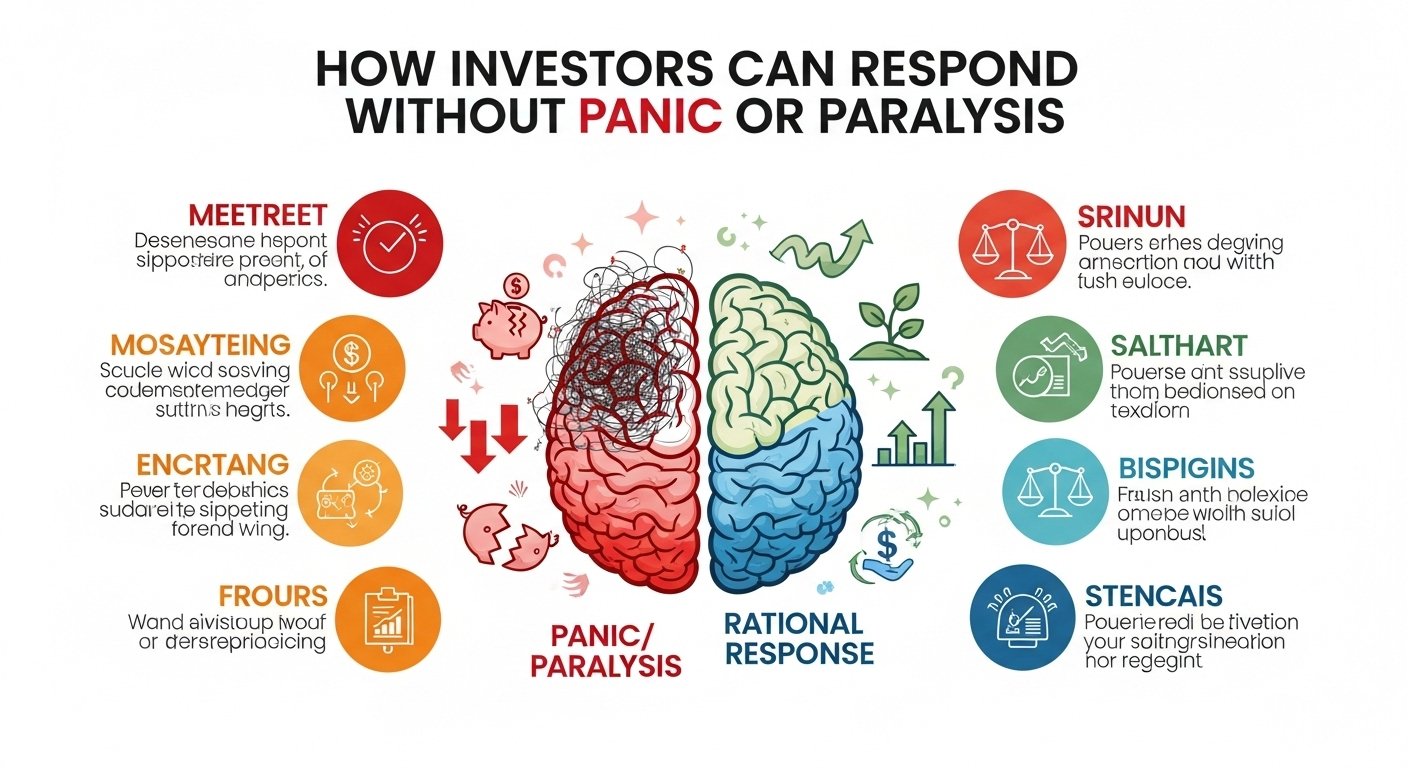
When buyers have lost money for 2 months straight, the wrong response is to either panic-sell everything or freeze and do nothing. The better response depends on your timeframe, goals, and risk tolerance.
Reframe the Goal: Survival First, Opportunity Second
In difficult regimes, the first job is staying in the game. That means focusing on capital preservation. If you can avoid large drawdowns, you keep the ability to act when conditions improve. If you take heavy damage, you lose flexibility.
When buyers have lost money for 2 months straight, data shows that aggressive entry timing is being punished. So position sizing, patience, and flexibility matter more than trying to “be right” immediately.
Separate Long-Term Investing From Short-Term Trading
Long-term investing can tolerate volatility if the underlying thesis remains intact and your time horizon is truly long. Short-term trading requires alignment with momentum and risk control. Confusing the two is a common mistake.
If you’re long-term, you can focus on fundamentals, valuation, and staggered entries. If you’re short-term, you need confirmation, tight risk, and acceptance that not every dip is buyable. Either way, when buyers have lost money for 2 months straight, the market is demanding better process.
Look for Confirmation Instead of Prediction
Prediction is seductive. Confirmation is practical. Confirmation can come from improving breadth, higher lows, reclaiming key moving averages, improving volume on up days, or macro data stabilizing. The specifics vary, but the principle is consistent: you want evidence that demand is starting to win.
In periods where buyers have lost money for 2 months straight, data shows that “hope entries” are the most expensive entries. Confirmation helps reduce that cost.
Where Opportunity Often Appears After Buyer-Loss Streaks
It may sound contradictory, but the same environment where buyers have lost money for 2 months straight can eventually produce strong opportunity. Not because pain guarantees a bottom, but because extremes create conditions where risk-reward improves.
Better Pricing and Higher Future Returns (If the Thesis Holds)
For quality assets with durable demand, lower prices can improve long-term expected returns. The catch is that price can keep falling longer than expected. That’s why staging entries and managing exposure matters.
When buyers have lost money for 2 months straight, data shows that “instant gratification” is rare. But if an asset’s long-term drivers remain, disciplined accumulation can outperform emotional timing—especially when the market eventually shifts.
Rotation Signals and Early Leadership
New bull phases often begin quietly. Leadership rotates. Defensive areas may stop outperforming. Cyclical areas may stabilize. Sometimes a small group of assets starts making higher lows before the rest of the market follows.
If buyers have lost money for 2 months straight, the earliest opportunity often comes from watching what stops going down first, not what looks cheapest.
What This Means for the Next Few Months
Two months of buyer losses doesn’t lock in the next outcome. Markets can reverse sharply, or they can grind lower. The real takeaway is regime awareness: recognizing what kind of environment you’re in and adjusting behavior accordingly.
When buyers have lost money for 2 months straight, data shows a market that is still in a proving phase. Buyers need stronger evidence. Sellers need to weaken. Liquidity needs to improve. Sentiment needs to stabilize. Those shifts can happen fast—but they rarely happen because people simply want them to.
If you treat this period as a test of process rather than a test of courage, you’re more likely to come out stronger. Focus on risk. Focus on flexibility. Focus on evidence.
Conclusion
Buyers have lost money for 2 months straight, data shows, and that matters because it reveals a market that has consistently rejected fresh demand. This kind of streak often appears when downtrends dominate, liquidity is less supportive, macro conditions are pressuring valuations, and sentiment is fragile. The best response isn’t panic or blind optimism—it’s disciplined adaptation. Separate long-term investing from short-term trading, prioritize risk management, and seek confirmation rather than prediction. Eventually, markets shift, and opportunity returns—but the people who benefit most are usually the ones who protected capital and stayed patient while buyers kept losing.
FAQs
Q: Does it mean the market will keep falling if buyers have lost money for 2 months straight?
Not necessarily. Two months of buyer losses signals persistent weakness, but markets can reverse quickly. The streak is best viewed as evidence of the current regime, not a guarantee of the next move.
Q: Why do rallies fail so often during these periods?
Rallies can fail because sellers use rebounds to exit at better prices, liquidity is thin, or broader participation is missing. When buyers have lost money for 2 months straight, it often means rebounds lack sustained demand.
Q: Is this a good time to “buy the dip”?
It depends on timeframe and strategy. Long-term investors may find improved valuations, but short-term dip-buying can be risky without confirmation. A staggered approach can reduce timing risk when buyers have lost money for 2 months straight.
Q: What signals suggest the buyer-loss streak might be ending?
Signs often include improving market breadth, higher lows, stronger volume on up moves, reduced volatility, and the ability to reclaim key technical levels. Confirmation matters because early bounces can be traps.
Q: How can I protect myself if I keep buying and losing money?
Focus on position sizing, avoid overconcentration, define invalidation points, and separate investing from trading. When buyers have lost money for 2 months straight, reducing exposure and waiting for evidence can be more effective than forcing entries.
Also More: Bitcoin below $96,000 as crypto bill stalls
