

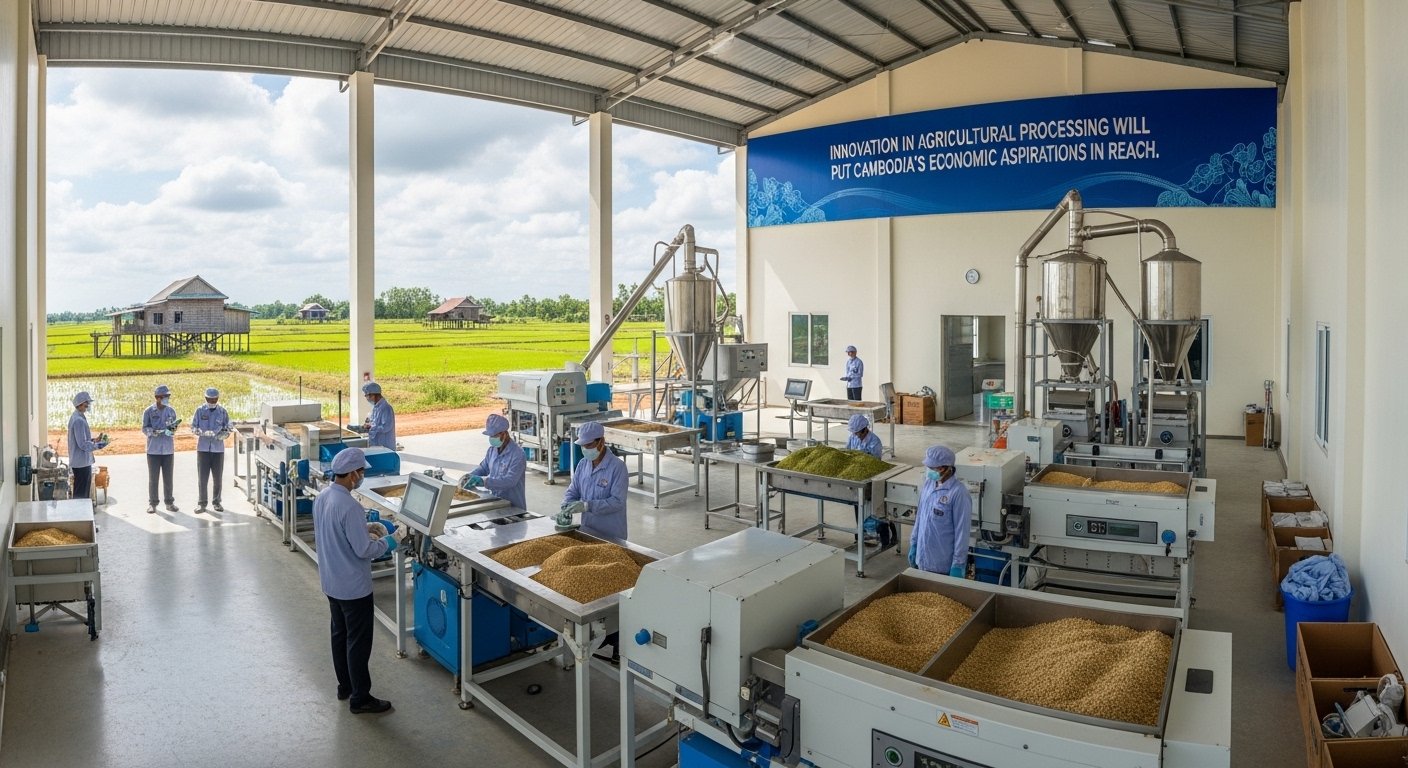
Cambodia’s economic growth has long been intertwined with its agricultural sector. For decades, agriculture has been the backbone of the country’s economy, employing a significant portion of the population and contributing substantially to GDP. However, traditional practices, low productivity, and limited processing capabilities have constrained the sector’s potential. Today, innovation in agricultural processing is emerging as a transformative force, capable of unlocking Cambodia’s economic aspirations and positioning the country as a competitive player in regional and global markets.
Agricultural innovation encompasses modern machinery, mechanized processing, improved crop management, and sustainable supply chains. These advancements not only enhance productivity but also add value to raw commodities, making Cambodian agricultural products more attractive to international buyers. As the nation embraces technological advancements, smart farming techniques, and efficient post-harvest systems, the promise of higher incomes for farmers, stronger export performance, and diversified economic growth comes into clearer view.
This article examines how innovation in agricultural processing is reshaping Cambodia’s economy, the challenges it addresses, and the opportunities it creates. From mechanization to supply chain optimization, we explore how these changes could bring the country closer to achieving its long-term economic goals while fostering sustainable development and rural prosperity.
The Role of Agriculture in Cambodia’s Economy
Agriculture has historically served as the backbone of Cambodia’s economy. A significant proportion of the population relies on farming for their livelihood, and primary commodities such as rice, cassava, rubber, and various fruits and vegetables dominate production. Despite the sector’s importance, traditional farming methods and limited processing infrastructure have kept productivity low, often resulting in missed opportunities for higher income and economic growth.
In recent years, the Cambodian government has emphasized the need to modernize agriculture. Policies promoting value-added processing, better market access, and export diversification aim to elevate the sector beyond subsistence farming. By focusing on innovation, Cambodia can increase the efficiency of production, improve the quality of processed goods, and integrate more effectively into global supply chains.
The modernization of agriculture also holds social benefits. Enhanced processing capacity creates employment in rural areas, fosters entrepreneurship, and reduces poverty. By leveraging technology and innovation, Cambodia can simultaneously strengthen its economy and improve the well-being of its rural communities.
Innovation in Agricultural Processing: What It Means
Agricultural processing refers to transforming raw crops into finished or semi-finished products, including packaging, drying, milling, and extracting value-added components. Innovation in this space introduces mechanization, automation, and smart technologies that streamline operations and reduce post-harvest losses.
For example, mechanized rice milling and automated drying systems increase efficiency and preserve grain quality. Fruit processing innovations, such as juice extraction and packaging machinery, enable Cambodian producers to access international markets with premium-quality products. Rubber processing and cassava starch production also benefit from modern techniques that enhance yield, consistency, and shelf-life.
Innovation in processing is not limited to machinery. It encompasses data-driven farm management, supply chain optimization, and improved storage solutions. Smart temperature-controlled warehouses, digital tracking of produce, and predictive analytics can minimize waste, ensure consistent product quality, and increase profitability for both small-scale farmers and large agribusinesses.
Enhancing Productivity Through Mechanization
Mechanization is a cornerstone of agricultural innovation. In Cambodia, the widespread use of manual labor and outdated tools has limited productivity and slowed the adoption of efficient practices. Introducing tractors, harvesters, and automated processing lines allows farmers to increase output, reduce labor costs, and maintain product quality.
Mechanized solutions also reduce post-harvest losses, a persistent challenge in Cambodia. Traditional storage methods often lead to spoilage and waste, which diminishes farmers’ earnings and undermines food security. By integrating modern storage, drying, and milling equipment, farmers can preserve crop quality, extend shelf-life, and reach markets with better prices.
Mechanization also supports scalability. Larger, more efficient operations can meet the demands of regional and global markets, positioning Cambodia as a reliable supplier of high-quality agricultural goods. For a country aspiring to strengthen its economy, mechanization is both a productivity booster and a strategic tool for global integration.
Value Addition and Export Opportunities
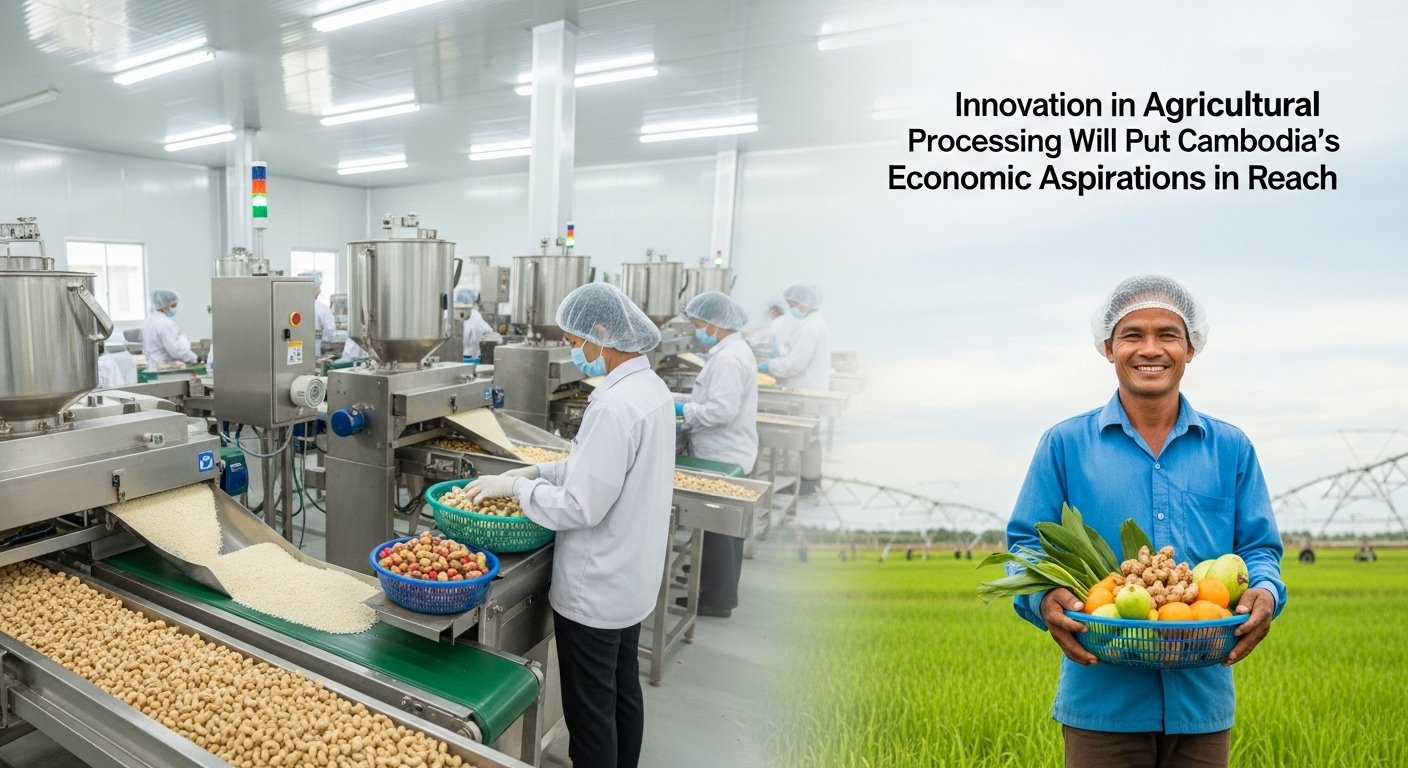
One of the most impactful benefits of agricultural processing innovation is value addition. By transforming raw commodities into finished products, Cambodia can capture higher profit margins and compete more effectively in international markets. Value-added products such as packaged rice, fruit juices, dried fruits, and processed cassava offer better returns than unprocessed raw materials.
Export-oriented processing enables Cambodia to diversify its trade portfolio. Instead of relying on raw exports vulnerable to price volatility, processed goods offer stable revenue streams and global competitiveness. For instance, high-quality packaged rice can be marketed as a premium product in Southeast Asia, the Middle East, and Europe. Similarly, processed cassava products, including starch and pellets, have growing demand in food and industrial sectors worldwide.
Innovation also enhances quality control. Advanced sorting, grading, and packaging technologies ensure products meet international standards. By meeting global expectations, Cambodia can strengthen trade relationships and gain recognition as a reliable exporter of value-added agricultural goods.
Technological Integration and Smart Farming
Beyond processing machinery, technology integration is critical for sustained innovation. Smart farming techniques, including precision agriculture, IoT sensors, and data analytics, help farmers optimize planting schedules, irrigation, and fertilization. This not only increases yield but also improves the quality of produce, which directly impacts processing efficiency.
Digital platforms connecting farmers, processors, and markets enable better coordination and reduce inefficiencies. Mobile applications provide real-time market prices, weather updates, and pest management advice, allowing farmers to make informed decisions. These digital tools ensure that produce reaches processing facilities at peak quality, reducing losses and maximizing value.
Technological integration also fosters sustainable practices. Efficient water usage, targeted fertilization, and energy-efficient processing reduce environmental impact while maintaining profitability. For Cambodia, adopting smart farming aligns economic growth with environmental stewardship.
Strengthening Rural Economies and Employment
Innovation in agricultural processing has significant social implications. By modernizing operations, Cambodia can create employment opportunities beyond traditional farming. Processing facilities, logistics management, quality control, and export coordination generate new jobs in rural areas.
Employment diversification reduces reliance on subsistence farming and encourages rural entrepreneurship. Farmers can engage in contract farming or small-scale processing businesses, increasing income stability. Training programs for operating machinery, managing quality systems, and adopting smart technologies further enhance local skills and knowledge.
Strengthened rural economies contribute to national economic growth. Increased earnings translate to higher domestic spending, improved education access, and better healthcare services. Innovation in agricultural processing thus not only elevates GDP but also promotes inclusive growth.
Addressing Challenges and Barriers
While the potential of agricultural processing innovation is clear, Cambodia faces challenges in fully realizing it. Infrastructure limitations, including roads, electricity, and storage facilities, constrain efficient operations. Access to capital for purchasing modern machinery is limited for small-scale farmers. Additionally, knowledge gaps in operating and maintaining advanced equipment hinder adoption.
Addressing these barriers requires coordinated efforts from the government, private sector, and development partners. Investment in infrastructure, microfinance schemes, and training programs can accelerate technology adoption. Policy frameworks promoting innovation, quality standards, and export facilitation are also critical.
Overcoming these challenges ensures that innovation translates into tangible economic outcomes, allowing Cambodia to fully leverage the potential of its agricultural sector.
Environmental Sustainability and Innovation

Sustainability is a growing concern in agriculture. Modern processing technologies can minimize waste, reduce emissions, and optimize resource usage. For example, energy-efficient dryers, solar-powered irrigation, and optimized logistics reduce the environmental footprint of farming and processing activities.
Sustainable practices not only protect natural resources but also enhance market appeal. Global buyers increasingly prioritize eco-friendly products, offering Cambodian producers an additional competitive advantage. By integrating environmental considerations into agricultural innovation, Cambodia can achieve both economic and ecological goals.
The Future Outlook for Cambodia’s Economy
Innovation in agricultural processing positions Cambodia for significant economic advancement. Mechanization, value addition, smart farming, and sustainable practices collectively improve productivity, raise income, and expand export potential. By adopting these innovations, Cambodia can move from raw commodity dependence toward a diversified, high-value agricultural economy.
As the sector modernizes, the ripple effects extend across the economy. Rural incomes rise, industrial processing expands, and trade volumes increase. These dynamics support broader national goals, including poverty reduction, infrastructure development, and regional economic integration.
In essence, agricultural processing innovation is more than a technological upgrade—it is a strategic lever for Cambodia to achieve its economic aspirations.
Conclusion
Cambodia stands at a critical juncture in its economic development. Agriculture remains central to livelihoods and national GDP, but traditional practices have limited the sector’s full potential. Innovation in agricultural processing offers a pathway to enhanced productivity, value addition, and global competitiveness.
Mechanization, smart farming, and sustainable processing practices enable farmers and businesses to increase output, reduce waste, and generate higher income. Export opportunities expand, rural economies strengthen, and environmental impacts are mitigated. Together, these advancements bring Cambodia closer to realizing its long-term economic ambitions.
By prioritizing innovation, investment, and capacity building in agricultural processing, Cambodia can transform its economy, elevate rural communities, and assert its position in regional and global markets.
FAQs
Q: How can innovation in agricultural processing improve Cambodia’s economic growth?
Innovation in agricultural processing improves economic growth by increasing productivity, reducing post-harvest losses, and creating value-added products for export. Modern machinery, smart farming, and efficient supply chains enable higher incomes for farmers and stronger trade performance, contributing directly to GDP growth and economic stability.
Q: What types of technological innovations are being adopted in Cambodian agriculture?
Cambodian agriculture is adopting mechanized processing equipment, smart irrigation systems, IoT-based crop monitoring, and data-driven farm management tools. These technologies optimize productivity, improve crop quality, and enhance efficiency in post-harvest handling, allowing producers to meet global market standards and increase profitability.
Q: How does value addition through processing benefit farmers and exporters?
Value addition transforms raw agricultural products into higher-value goods, such as packaged rice, juices, or cassava starch. This increases profit margins, stabilizes income for farmers, and opens access to international markets. For exporters, value-added products are more competitive and meet quality standards demanded by buyers worldwide, enhancing Cambodia’s trade prospects.
Q: What challenges does Cambodia face in modernizing agricultural processing?
Challenges include limited infrastructure, high machinery costs, knowledge gaps in operating advanced equipment, and access to financing. Addressing these barriers requires government support, private investment, training programs, and policy frameworks that facilitate technology adoption, infrastructure development, and quality assurance.
Q: How does agricultural processing innovation contribute to sustainability?
Innovative processing methods reduce waste, optimize energy and water use, and lower the environmental footprint of farming operations. Sustainable practices, including energy-efficient machinery and eco-friendly supply chains, protect natural resources and appeal to global buyers seeking environmentally responsible products, ensuring long-term economic and ecological benefits.
